Game based personalisation
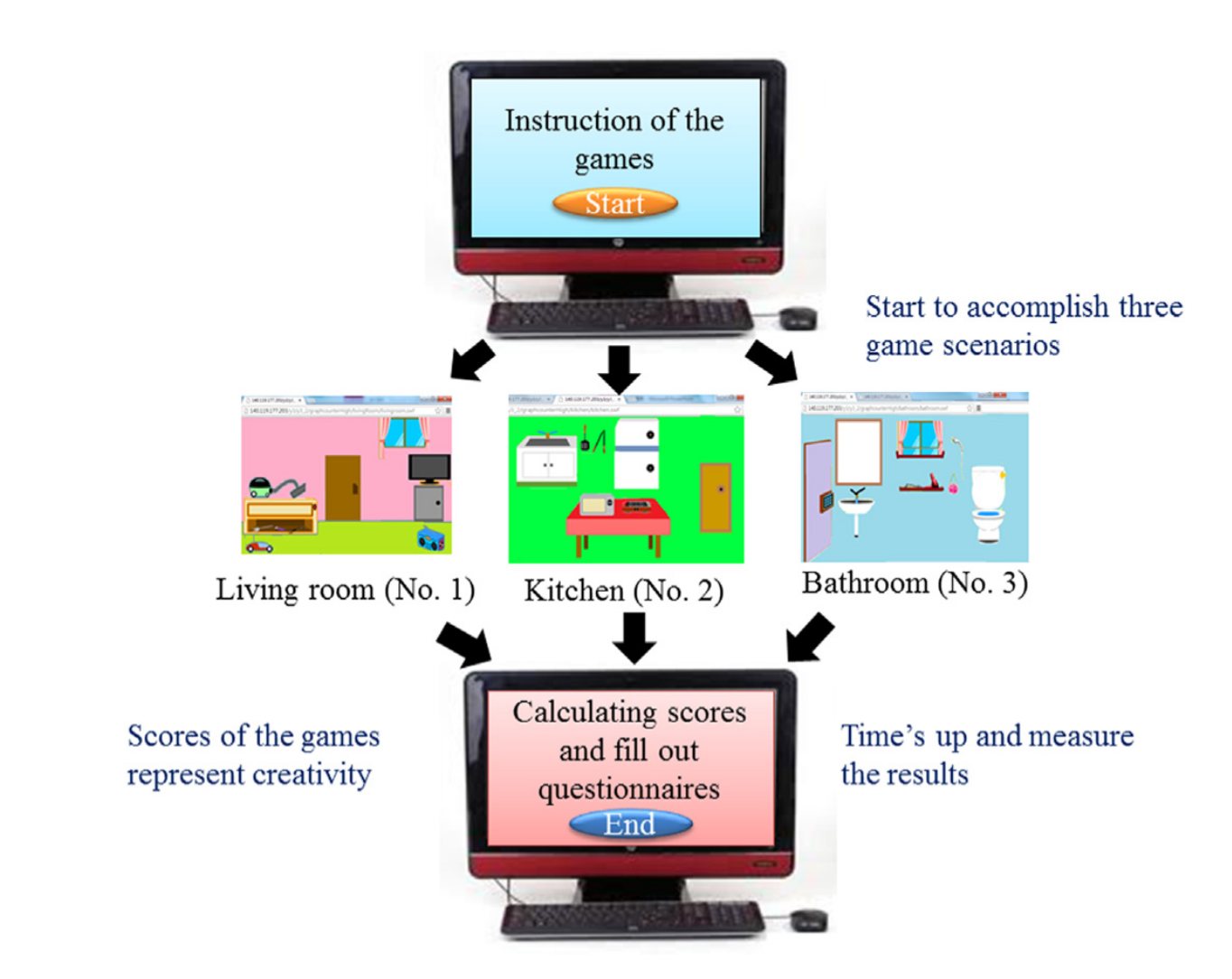
Game-based personalisation involves adapting the learning process through the use of game elements and creative strategies, such as tailoring task content to provide adaptive challenges that support personalised learning experiences and engage learners with materials suited to their needs. Gamification plays an essential role in enhancing learners’ participation, engagement, and motivation, which in turn improves learning outcomes. It promotes learner engagement by encouraging active participation in interactive activities, such as creative tasks and problem-solving challenges, throughout the learning process. Various approaches can be employed, including technology-based games and interactive features integrated into learning systems to support personalised learning experiences.
Resources
- How educational games are changing the way we learn
- How Game-Based Learning is Changing the Classroom
References
- Aljabali, R., Ahmad, N., Yusof, A. F., Miskon, S., Ali, N. M., & Musa, S. (2020). An Experimental Study: Personalized Gamified Learning Based on Learning Style. Journal of Theoretical and Applied Information Technology, 98(22), 3474–3488.
- Lin, C., Yeh, Y., Hung, Y., & Chang, R. (2013). Data Mining for Providing a Personalized Learning Path in Creativity: An Application of Decision Trees. Computers & Education, 68, 199–210. https://doi.org/10.1016/j.compedu.2013.05.009
- Rinjeni, T. P., Rakhmawati, N. A., & Nadlifatin, R. (2024). Design of Academic Gamification Model Based on Myers-Briggs Type Indicator (MBTI) Through Pre-experimental Design. J. Inf. Technol. Educ. Res., 23, 18.